

14 Things To Never Leave In Your Car In Freezing Temperatures
We may receive a commission on purchases made from links.
As the outdoor temperature drops below freezing, a parked car can quickly transform into a mobile freezer. This creates a surprisingly hostile environment for many everyday items we typically transport or store there. While most people instinctively recognize the danger of leaving items in a hot car during the summer, the potential for cold-induced damage to inanimate objects can be underestimated.
It's easy to fall into the habit of treating your car like an extra storage closet or a secondary garage, leaving essential items from groceries and electronics to medications and personal care products tucked away in there for convenience. However, leaving certain items in a car during winter or in freezing temperatures can be as bad as leaving them in a hot car.
Prolonged exposure to cold temperatures can cause irreversible physical and chemical changes in many common items. The next time you park your car for the evening or plan to leave it for an extended period in the cold, think about everything you're leaving behind. You may be setting yourself up for an awful surprise the next time you go to your car.
Phones and tablets

Our modern phones and tablets rely on lithium-ion batteries, and those things really start struggling when the weather gets cold. The sweet spot for these batteries is usually between 68 and 77 degrees Fahrenheit. You can expect performance to start dropping off pretty quickly once the temperature even just dips below freezing. When temperatures actually hit that freezing point, they slow down the chemical reactions happening inside the battery itself.
What happens is that the electrolyte inside the battery starts thickening up. This process slows the movement of lithium ions between the electrodes and also boosts internal resistance. This whole slowdown is why your device suddenly thinks its battery is totally dead, causing it to unexpectedly shut down right when you need it most.
It's not just the battery; The actual physical structure of your device is also at risk. The glass screens on these gadgets get way more brittle and can easily crack if you accidentally bump the device against something. If it's really cold outside, the liquid crystals in older LCD screens might freeze or become sluggish. That means you get delayed response times, or sometimes even a permanent failure.
Laptops

If you leave your laptop just chilling out in a freezing cold car, you're taking a huge gamble with the battery and the valuable data you keep on your hard drive. The real problem starts right when you decide to take that frozen device and bring it inside into the warm air. That rapid temperature change can actually cause moisture, or condensation, to start forming right inside the laptop's case.
Invisible water droplets can cover the internal circuitry of your device. When that happens, if you try to turn it on, you might end up short-circuiting the components, leading to costly repairs or total device failure. Besides the immediate risk of a short circuit, extreme cold can wreak havoc on the chemical composition of your laptop's power source. Most modern laptops use lithium-ion batteries, which rely on chemical reactions that slow down significantly in freezing temperatures.
Even the most reliable laptop brands can't stand up to freezing temperatures. This often causes the device to shut down unexpectedly, even if it seems to have battery life remaining.
Batteries

If you leave your everyday batteries (like AA, AAA, or D cells) sitting out in the cold, you can expect them to lose their charge fast. What happens is that the low temperatures boost internal resistance, and that's the mechanism that sucks the life right out of the power those batteries are holding. If you try using a frozen battery in a gadget that needs a lot of juice, you could actually permanently damage the battery's capacity.
This issue happens because the cold dramatically slows down the essential chemical reactions inside the battery that need to happen to create electricity. So, even if a battery was fully charged, it might seem completely dead, or it might discharge really quickly when you try to use it in freezing weather.
Beyond the annoying power loss, leaving those extra alkaline batteries in your car "just in case" could actually destroy them physically. When those electrochemical reactions get messed up, the batteries can crack and start leaking corrosive chemicals. That means your glove compartment or the electronics they are stored inside could be ruined.
Pepper spray
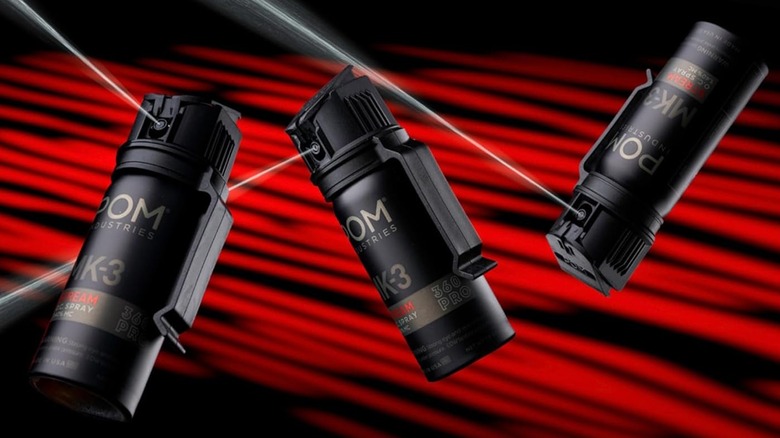
When you are putting together your winter emergency kit for your car, you might think that self-defense tools are a must-have. You should know, though, that leaving pepper spray in your vehicle when it is freezing outside can make the device totally useless. It might even make it dangerous. The formula inside the pepper spray canister is kept under pressure. If you expose the can to freezing temperatures, that pressure can drop, which makes the can useless.
If you are in a situation where your life is on the line, a failure or even a delay in discharging that spray could be disastrous. The nozzle mechanism itself might freeze shut, or it could even crack.
The chance that the device fails to work is not the only risk you face here. Pepper spray canisters have the exact same weaknesses as other aerosol products you might use, like hairspray or spray paint. When they are exposed to frigid temperatures, these pressurized cans become unstable. This can cause the liquid inside to expand, or it can make the propellant gas act completely unpredictably. When things destabilize like that, the cans can crack and might even explode.
Carbonated sodas
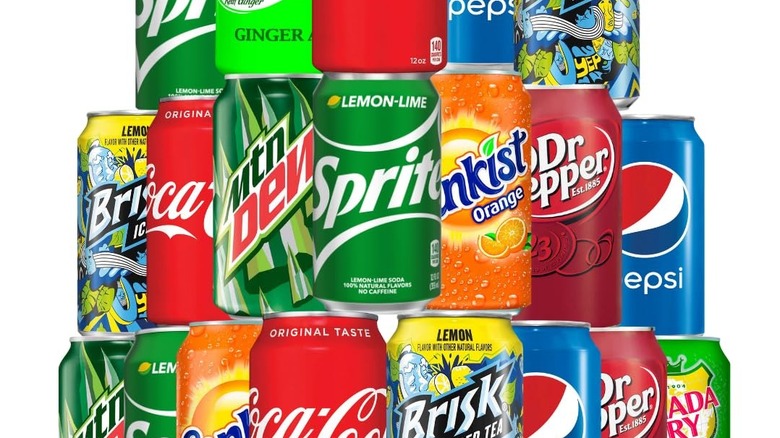
If those cans and bottles of soda decide to burst, you are going to be facing a gigantic cleanup job. When you put that carbonated pressure together with the expanding ice, it's going to tear up aluminum cans and even crack plastic bottles. Once that sticky syrup melts, it is incredibly tough to remove from your car's upholstery.
This sort of destruction happens since soda is mostly water, and water expands quite a bit when it freezes into ice. If you look at a sealed aluminum can or glass bottle, there is just nowhere for that expansion to go, and this leads to a huge buildup of pressure that eventually gets too much for the container to handle. Water typically freezes at 32 degrees Fahrenheit, but the sugar added to sodas actually drops the freezing point down to about 30 degrees Fahrenheit.
You might want to be extra careful with diet sodas, which use sweeteners instead of sugar. Diet soda usually has less artificial sweetener than regular soda has sugar, which makes them freeze (and explode) much faster.
Pets and plants

When your car is parked, it offers little insulation against the cold air outside. This basically turns your vehicle into a refrigerator or sometimes even a freezer, if you don't have any insulation. Since the temperature inside the car can drop fast and match the outside air, leaving anything alive in there is dangerous, even if you are just stepping away for a minute.
Houseplants, for example, have cells that are made up of water. Just like the liquid in fresh fruits and veggies freezes up and breaks cell walls, your houseplants can suffer serious, permanent cellular damage and die really quickly. This kind of biological destruction can happen rapidly when exposed to freezing temperatures.
The risks become way more immediate and severe when we talk about animals. Even if your pets have fur, they are instantly at risk of getting hypothermia and frostbite once the vehicle starts cooling down. It is a dangerous misunderstanding to think that an animal's coat is enough protection when the car is stopped and unheated. Without being able to move to generate heat, their bodies simply cannot fight the cold.
Medication
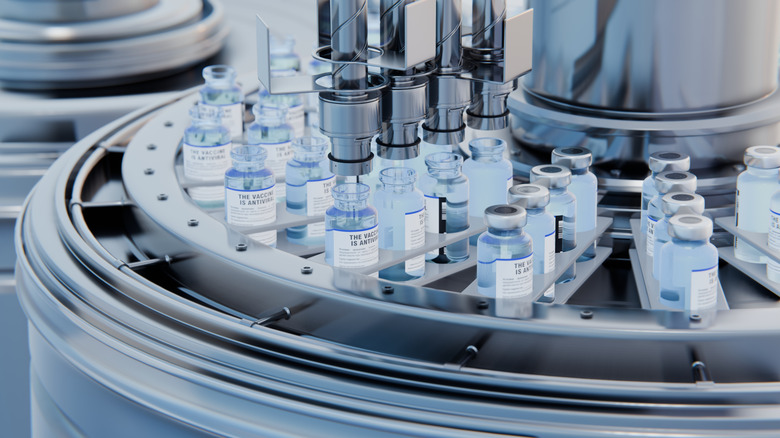
If you are carrying liquid medications, like insulin or even cough syrup, they can separate or crystallize when they get cold. That fundamentally messes up the chemical dosage, which means the medicine might become completely ineffective or sometimes even dangerous. On the other hand, pills and capsules are usually tougher, but you should still keep them at room temperature to store them safely.
Most drugs are actually designed to be stored in a controlled environment, typically somewhere between 59 and 77 degrees Fahrenheit. Deviating from that range can actually alter their chemical components. Liquid medication, like eye drops, injectables, and syrups, can become dangerous when exposed to freezing temperatures. Simply thawing it doesn't necessarily return it to its original, safe state.
This effect is often permanent, meaning that the dosage you ingest could either be dangerously high or completely useless therapeutically. This risk is particularly serious for life-sustaining treatments like insulin, which is made of proteins that become unstable and lose their potency when frozen.
Canned food
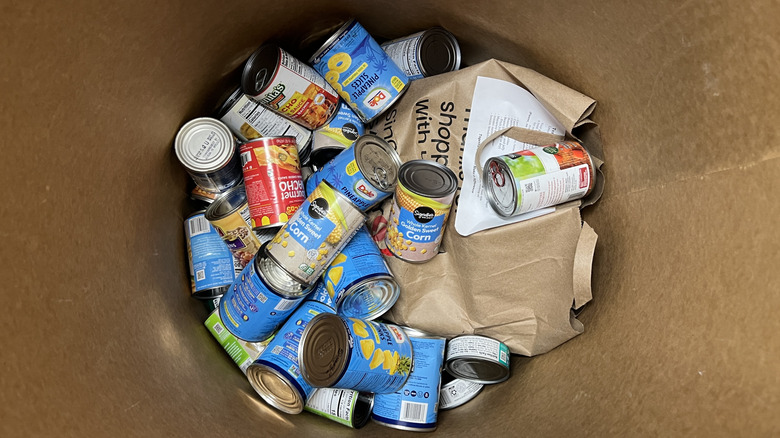
Canned goods like fruits, veggies, and ready-to-eat meals contain a ton of water. When water turns into ice, it expands significantly, meaning these pantry items can totally fail. When the cans freeze, the expanding liquid can break the vacuum seal, letting bacteria sneak into your food. That's a good reason not to store them in your garage.
If you find a can left in your car that is bulging, or if you notice rust creeping up on the seams, you definitely should not eat it. That expansion creates so much pressure that it is strong enough to totally distort the metal itself or even burst the seams wide open. This does not just ruin your dinner, it can actually cause a sticky, foul-smelling explosion that might damage your car's upholstery.
The USDA gives an explicit warning here. They say that a can that has swollen from freezing looks almost exactly the same as one that is swollen because of contamination from Clostridium botulinum, which is the bacteria that causes botulism. Since you cannot tell the difference between damage from freezing and damage from bacterial spoilage, you have to throw away any can that is bulging or is not sealed.
Paint

If you are thinking about what to pull out of your car for the winter, paint really needs to be at the top of that list. Water-based and latex paints are very vulnerable because they're mostly made of water, which does not play well in sub-zero environments. When they freeze up, the stuff inside the can expands and eventually separates. When this happens, it messes up the product's chemical balance, making it completely useless for any decorating projects down the road.
The mixture separates into gross, curdled clumps and water when frozen. Once this happens, you're unlikely to be able to stir the paint back into a smooth liquid, which sadly means you have to throw the whole can away. Aerosol spray paints have special risks since they are pressurized. Spray paints already come with health risks, but really cold temperatures can make these pressurized cans unstable.
The cold could crack the metal or even cause the whole can to explode. If a spray paint can explodes inside the vehicle, you could be looking at major damage to the interior upholstery and maybe even broken windows. Since these things usually have flammable gas propellants and solvents, a rupture presents a huge safety risk.
Beer and wine

Pure alcohol freezes at way colder temperatures than water, but beer and wine just do not pack enough alcohol content to stay liquid when things get really cold. That expansion can actually make wine corks pop right out of the bottle, and you might also notice caps starting to leak. Even if the bottle or can somehow survives, the flavor profile of your drink is usually totally ruined.
A lot of people think that having alcohol in the drink completely protects it from the cold, but that is a common mistake. The freezing point for beer is usually somewhere between 21 and 27 degrees Fahrenheit, depending on the alcohol by volume or ABV, and wine is going to typically freeze around 23 degrees Fahrenheit. Just like in a hot car, using a cooler for these in cold temperatures while you drive home may be your best bet.
Since most of these drinks are actually made up of water, they expand as the liquid turns into ice. This reaction puts a huge amount of stress on the container. That is what often causes glass bottles to snap or shatter and aluminum cans to bulge right before they violently burst. This is similar to soda, but the smell of wine or beer will likely be a lot harder to deal with.
Household cleaning supplies
Gleaner, multi-surface sprays, and even dish soap are mostly water. That means they really have to listen to the laws of physics once things start getting cold outside. If you leave them in a freezing car, the water in those solutions is going to crystallize. That causes it to expand with a ton of force.
When that liquid expands, the bottles could crack. This breaks seals or even ruptures the plastic case completely. The result is chemicals leaking everywhere, soaked in your floor mats and upholstery. If this happens, you could have serious physical damage to your car and a potential health risk for everyone in the vehicle.
These chemicals aren't just going to bleach or ruin the carpet, causing permanent stains or eating away at the fabrics. The fumes themselves are hazardous, especially if you breathe them in inside a small, confined space. If you inhale concentrated chemical vapors inside a closed car cabin, you could end up with respiratory irritation or something much worse, depending on exactly what ingredients are in the product.
Cosmetics and lotions
Your lotions and those cream-based makeup products you love are basically mixtures of oil and water. When freezing temperatures hit them, those ingredients separate, a change that is usually permanent. Since these products are what we call emulsions, the water inside them freezes and crystallizes. This totally breaks the bond they have with the oils and everything else in the formula, and it can happen in a hot car too.
This means you are left with a texture that is either watery or super chunky, making the whole product completely unusable. It is not just about the texture being ruined right away; Extreme cold can actually change the fundamental chemical makeup of your expensive beauty regimen.
The whole freezing process messes with the viscosity and consistency of things like your liquid foundation or face cream. That makes them hard or even impossible to get out of the container the right way. More importantly, freezing temperatures can damage enzymes by changing the chemical structures of certain proteins that are in your high-end skincare. If your sunscreen ends up with a strange color or consistency after it has been frozen, the active ingredients inside might be compromised.
Contact lenses

Leaving contact lenses in the cold can totally ruin these delicate medical devices. One issue here is actually the storage. When the case is left in a freezing car, the saline solution inside can actually freeze solid. The same thing can happen when the saline solution expands inside your kit. It might crack the case and cause a leak. When this happens, it completely destroys the sterility of the environment.
The physical damage to the storage unit is actually secondary to the destruction of the corrective lenses themselves. Exposure to freezing temperatures fundamentally changes the physical properties of the lenses. What this means is that they might get stiff, or they could rip or warp. This degradation makes them uncomfortable and unsafe for you to put in your eyes.
A pair of eyeglasses might just snap the frames or warp the lenses in extreme cold, but a damaged contact lens sits directly against your cornea. That creates a very high risk of irritation or injury. Even if they appear to thaw, their structural integrity may be compromised. So, you should treat them with the same care as other temperature-sensitive health items and make sure they're never left behind in a freezing vehicle.
Fresh fruits and vegetables

Any produce that has a high water content is going to be totally ruined if it freezes, turning what was a successful grocery run into a complete waste of money. While you are thawing out indoors, your fresh food is rapidly deteriorating thanks to those sub-zero temperatures. The water inside the plant cells starts to crystallize as the temperature drops, which ruptures the rigid cell walls and makes fruits and vegetables less crisp.
This slow freezing that happens in a car is the opposite of the commercial flash-freezing process used for frozen veggies. Slow freezing creates large, jagged ice crystals that completely shred the internal integrity of your produce. Once sensitive items like lettuce, berries, or cucumbers finally thaw out, they end up with a gross, mushy, and totally unappealing texture that means they are virtually inedible.
You can actually replicate this unfortunate result indoors if your fridge is set too cold. While some sturdy root vegetables might survive a brief chill, delicate leafy greens and water-rich fruits have zero defense against the cold. So, make sure to keep them in environments where they will survive.