

These Are The Best Drill Bits For Drilling Through Stainless Steel
We may receive a commission on purchases made from links.
With a career spanning four decades in the aerospace industry, as a machinist, airframe structures installation mechanic, and technical skills trainer, I've drilled my share of stainless steel. While there are some common mistakes you should avoid when using a power drill, using the right drill bit is an essential part of the process for drilling through stainless steel.
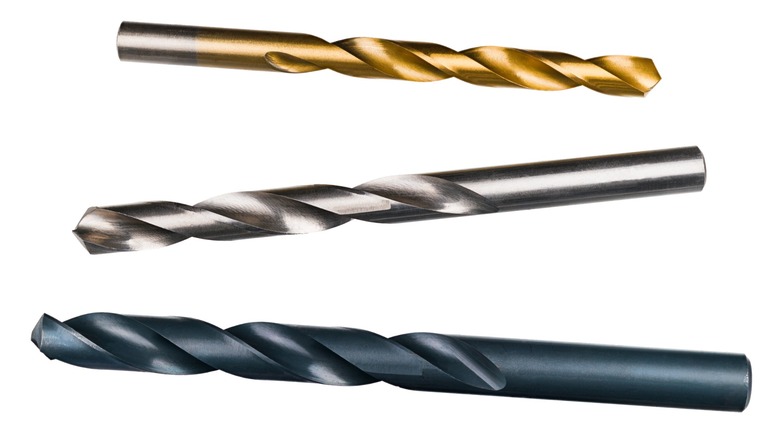
The most common and typically least expensive drill bits are made from a type of tool steel known as High Speed Steel, or HSS. Drill bits made of HSS are tough enough to tackle a variety of common drilling chores through wood, plastics, and soft metals, including mild steel. However, stainless steel is tougher to drill than most materials. Drilling through stainless steel requires a drill bit made of even harder material than HSS. Drill bits made from materials like cobalt or carbide are good choices for drilling stainless steel, but solid carbide drill bits with a single or multi-layer coating, such as titanium nitride (TiN) or black or gold oxide, are preferred.
There are several options for cobalt drill bits on Amazon. One highly-rated example is the Bosch 14-piece set, which includes standard sizes from 1/16 to ½ inch for $39.29, an average of $2.81 per drill bit. Carbide drill bits aren't as widely available and demand a higher price on Amazon. An option with a 3.8-star rating on Amazon is the 6-piece Solid Carbide Drill Bit Set from Hoyusk, with sizes ranging from 1/16 to ½ inch, priced at $92.99, or $15.50 each on average.
Other considerations when drilling through stainless steel
Whether you buy from Amazon, an industrial tool supplier, or choose the right drill bit from Harbor Freight, drilling through stainless steel requires some modifications to the process used for drilling softer materials. One of the first modifications to make to the drilling process is using the correct cutting speed. Drilling stainless steel requires using a slower speed drill compared to wood or aluminum.
Precision drilling methods used in machine shops include precise calculations to achieve optimal speeds, measured in revolutions per minute (rpm), at the point of contact between the drill bit and the material being drilled. As a general rule, larger diameter drill bits and harder materials require slower speeds.
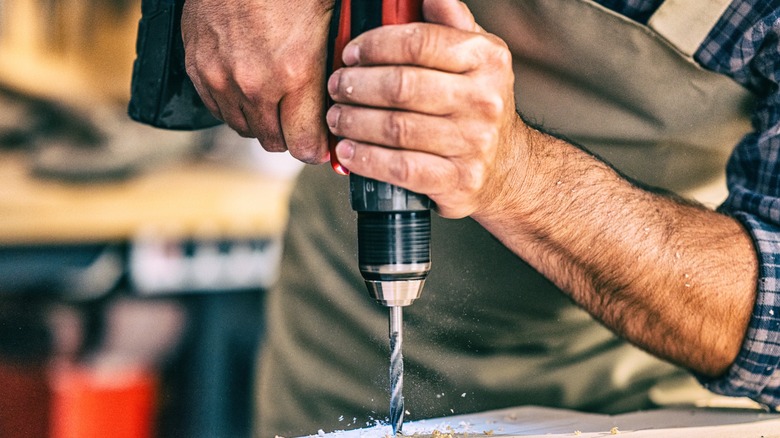
We can often slow a power hand drill by selecting a low range or modulating a variable-speed trigger. When using a low-range hand drill to drill through stainless steel, it's important to remain vigilant with your grip to prevent the drill from twisting in your hands. I once witnessed someone break their wrist and require a trip to the emergency room after the drill twisted them around when the drill bit broke through the backside of the stainless steel they were drilling.
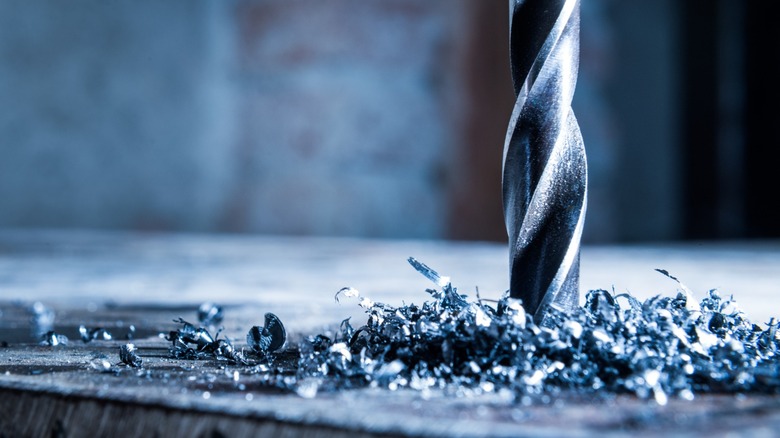
It's also important to apply firm pressure while drilling, without attempting to force the drill bit through the material. Look for shavings shaped more like chips instead of powder when drilling. Other helpful hints include starting with a smaller drill bit to create a pilot hole and using a cutting fluid to lubricate the drill bit tip for smoother cutting.
Methodology
To choose the best drill bits for drilling through stainless steel, I relied on years of experience drilling holes through various metals during my career in the aerospace industry. I also consulted guides from industry leaders such as Kennametal, Drill Bit Warehouse, and Anchor Lubricants.