

If You're A DIY Mechanic, This May Be Worth Adding To Your Garage Floor
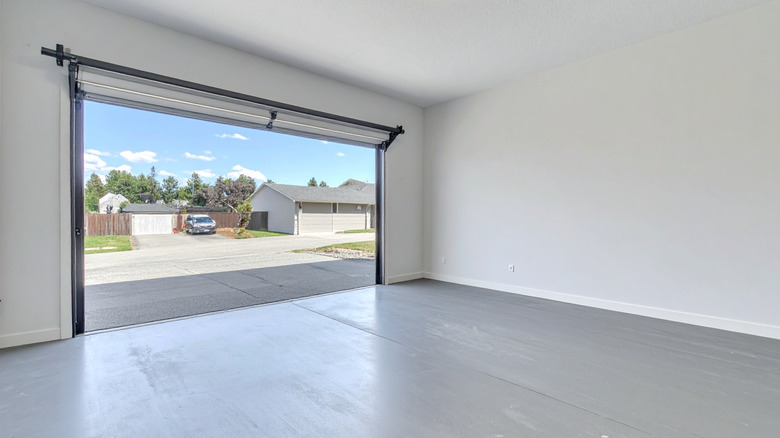
If you love passing the bulk of your free time doing basic engine maintenance services or working on a project car, you might be looking for easy upgrades that can make your garage more functional. For most diehard DIY mechanics, this includes keeping their space organized and maybe investing in smart garage gadgets. In addition to these, it's important that you upgrade your garage flooring, too.
Your dull garage floor might not be a priority, but unlike other places in your home, it deals with a lot. Think of dropped tools, screeched tires, heavy vehicles, spilled oils, and corrosive acids. As such, your garage flooring must be tough, durable, and easy to clean. Given that there are different types of garage flooring materials, you'll want to choose one that best meets the demands of a workshop floor.
Of all the options available, epoxy flooring is increasingly commanding attention, not just in garages, but also in public facilities and other industrial settings. Why? It can hold up well against the weight of constant foot traffic and heavy items. Plus, it's available in tons of colors, finishing options, and textures. This means that you can create a unique aesthetic that matches your needs.
Other reasons why you should consider upgrading your garage floor with epoxy flooring
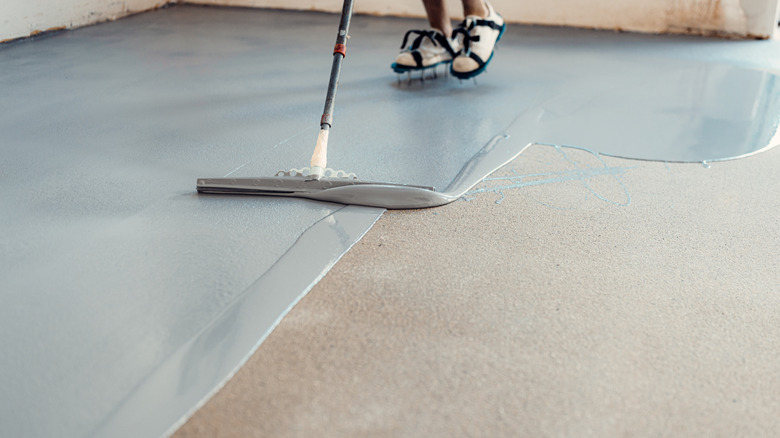
One factor that draws DIY mechanics to epoxy flooring is its flexible and forgiving nature. Generally speaking, if you're the DIY type, you're probably used to dropping tools, spilling fluid leaks, and overloading your garage floor. While these scenarios are unavoidable, if your current garage flooring can't handle it, they can lead to extensive concrete damage. Luckily, if you apply a coat of epoxy over clean concrete floors, you can easily protect you floor from looking like a battle zone, even after many years of service.
Not only is this option durable, but it's also resistant to chips and cracks. On top of that, once cured, epoxy floors are resistant to chemicals and stains, and they have a reputation for being low-maintenance and easy to clean. Mopping with a solution of warm water and a diluted ammonia floor cleaner should be enough for deep cleaning your garage floor. Additionally, epoxy floors are cheaper to install, especially if you're planning to go the DIY route. You can expect the installation costs to be around $2 to $5 per square foot, but that can increase to around $12 if you hire a pro.
Here's why epoxy garage flooring might not be worth it
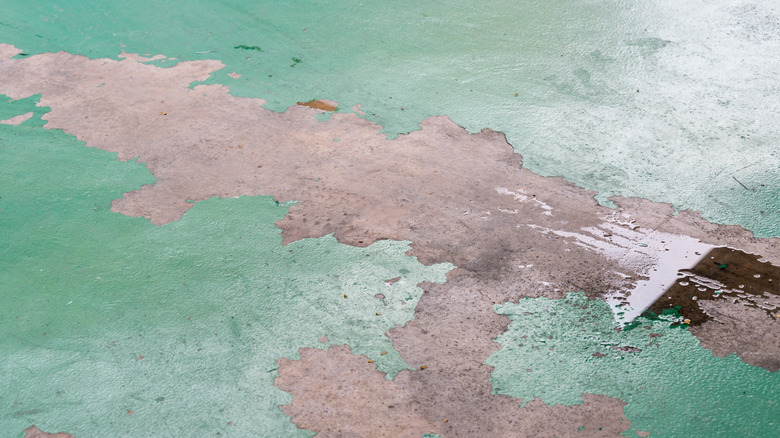
For all its upsides, epoxy garage flooring might still has its downsides, and it's worth noting that the results can cause a bit of a headache. After all, skipping crucial steps during installation, such as priming and etching the floor, could lead to peeling or buckling. Worse still, the entire installation process will keep your garage out of commission for around five days.
Another con of epoxy installation is that if your garage has windows, bright UV light could discolor and damage the flooring over time. Although it's possible to repair damaged epoxy flooring with floor patch kits, damage due to chipping, peeling, and color mismatch will be quite expensive; you'll have to fully recoat the entire garage.
There are also some potential health hazards. As they cure, epoxy resins can emit toxic volatile organic compounds, also known as VOCs, which can cause respiratory issues. That's why it's always crucial that you wear protective equipment, such as gloves, a mask, and goggles when applying an epoxy coat. Remember that when it's wet, epoxy can be very slippery, and this can turn a peaceful DIY auto project into an emergency room visit.