

4 Computer Parts You Should Avoid Buying From Amazon
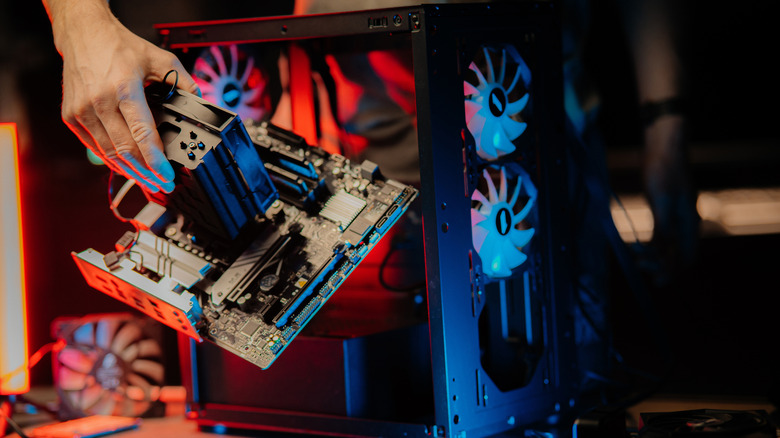
Building a PC is a great DIY project that teaches you a lot about computing hardware and often gets you a more affordable device. While the current RAM crisis in the U.S. is making pre-built machines cheaper, there are still going to be a lot of people who want the full autonomy and freedom of a hand-picked, hand-built rig — or, if you already have a computer, the freedom to choose upgrades and accessories. Amazon is a natural choice to source those parts. You've got a wide, convenient selection, fast shipping, and easy returns. But there are some parts you should probably avoid — or avoid buying altogether.
I've been building, upgrading, and repairing PCs of all form factors as an amateur for decades now, and several of them have included bits and bobs from Amazon. The following are parts I'd think twice about, at least. Some of it has to do with the harsh realities of PC hardware, some to do with the RAM crisis, and some with problems endemic to the Amazon marketplace. None of these are hard, no-exceptions recommendations; they're just warning signs. Before you feed your credit card into Amazon's woodchipper, read this.
RAM
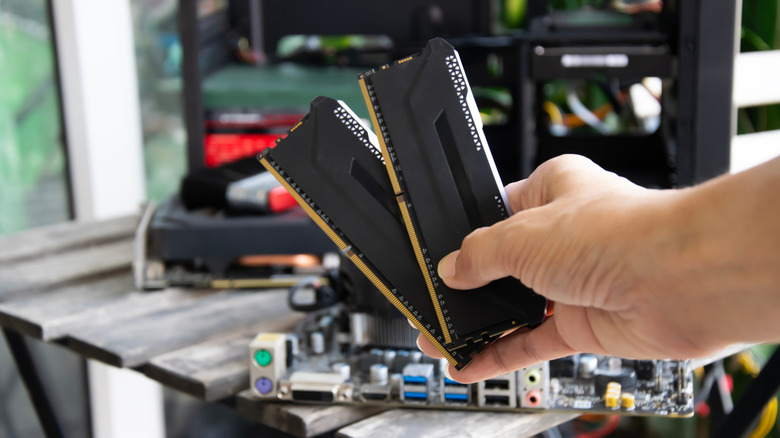
RAM is having a rough time of it, to put it lightly. Big brands like Micron have left consumers twisting in the wind, and many suggest the AI industry's gobbling up compute power presages the end of affordable computing. That's your first reason not to buy RAM in 2026, at least at the time of writing. Your second reason is the unprecedented rise in RAM scams on Amazon — a funny-sounding thing to say if it weren't so galling. Two widely reported incidents by VideoCardz and Guru of 3D had customers receiving falsely labeled RAM sticks that ran older specs, both fulfilled by Amazon. You don't have to search far to find countless stories just like this. Users on Reddit frequently report buying very expensive RAM sets that are the wrong standard, size, or model, or are outright convincing counterfeits.
The issue may likely stop occurring, at least as frequently as it seems to have been happening, on March 31, 2026, when Amazon's controversial commingling practice ends. In layman's terms, items with matching barcodes can be shipped to the closest customer, regardless of which seller the item belonged to, meaning that RAM you buy might come from a seller you wouldn't trust otherwise. If the RAM works well enough and you don't run benchmarks (or don't notice the difference, as most people probably wouldn't), then it wouldn't be hard to fob off, say, DDR4 RAM as DDR5.
Stick with whatever RAM you have right now if you can. If you absolutely have to upgrade, let Amazon be your last option, and if you take that option, check it carefully and run tests. You deserve what you paid for, doubly so if you're paying for the ludicrously overpriced kits these days.
GPUs
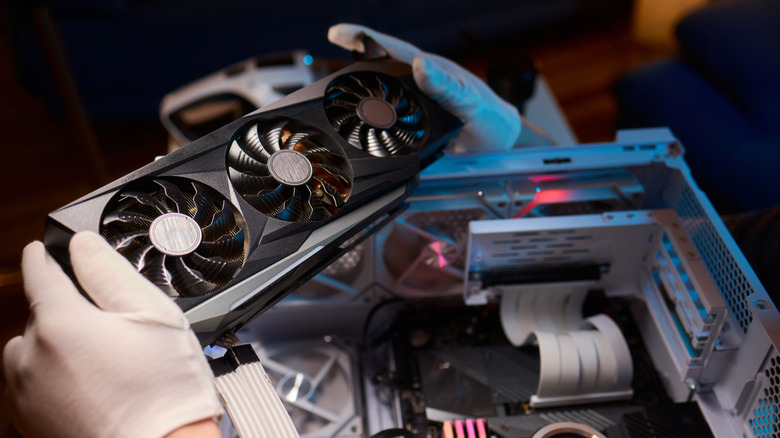
It's well known in the PC gaming space that NVIDIA GPUs and their direct competition, AMD, have been progressively getting worse. Underwhelming "next-generation" cards that bork legacy features, driver issues that would make vibe-coded AI slop seem optimized, and a whole host of physical hardware defects have become increasingly common. There's perhaps never been a better time to buy a used GPU or hold on to your old graphics card while we wait out the storm.
But another reason to avoid Amazon specifically is the same issue as with RAM: commingling, leading to Amazon selling literal bricks instead of GPUs. No, really. Redditor u/GlassHistorical5303 posted a photo of his new GPU: a paver enclosed in anti-static plastic. When Amazon's not shipping "bricked" GPUs to its customers, it's selling midrange models stickered as higher-end ones, or a GPU with its VRAM missing, or a bunch of broken parts cobbled together to look like a functional GPU, or even bags of rice. Sometimes it's an outright fake listing to start with. Take your pick, it all traces back to Amazon.
Case in point: these scams are really getting out of hand, and the fact that a literal brick made it through multiple layers of Amazon's anti-fraud systems proves you shouldn't buy graphics cards from a marketplace you probably wouldn't trust enough to buy boxers. In a cost-of-living crisis, coupled with unaffordable computing parts, desperate people will only exploit such a fraught system as much as they can. Even if you do get the right GPU and it's not counterfeit, you really have no idea what condition it's in. It might work perfectly well only to die in a couple of months, when a refund might not be possible, or it could catch fire and melt your computer.
Cheap, high-capacity SSDs
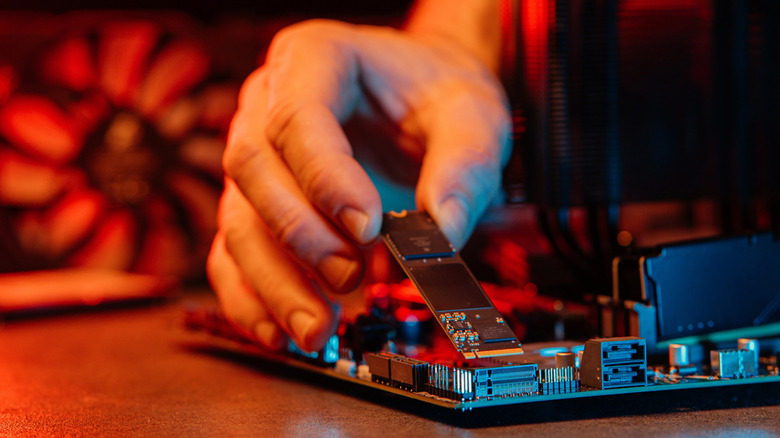
SSDs for gaming provide one of the most noticeable performance improvements to load times, especially over HDDs. You already know that the RAM crisis has affected anything that uses computer memory, including SSDs, which have seen an eye-watering markup across the board. Let's assume you still want to get yourself one before prices get even more insane. Amazon is not the place to do it, for reasons you probably have already guessed: scams.
Luckily, scams with SSDs can sometimes be much easier to spot. The "if it looks too good to be true, it probably is" rule is your best friend. When a 16TB SSD costs one-tenth of a genuine Samsung 9100 PRO 8TB SSD, run. Run far away. Sadly, Amazon lets these listings persist. Fake listings aside, Reddit is replete with horror stories of people getting scam SSDs.
Even if it's a reasonably priced, reasonably sized SSD, there are other issues to consider. SSDs have a ticking-clock lifespan, even despite their highly effective wear-leveling technology, but barring testing, you'd have no idea how much an SSD has been used. I'd personally argue that Amazon's systems make it so you can't trust new or used products. The problem with new products is that Amazon frequently resells returned products as if they were new. For the used ones, Amazon has gratuitous return policies. Some items can be returned a full year later. For all you know, someone could have been using that NVMe in their NAS, writing hundreds upon hundreds of gigabytes, only to repackage and return it. If bricks can make it through, we doubt Amazon returns employees are checking drives for bad sectors.
microSDs (especially high-capacity ones)
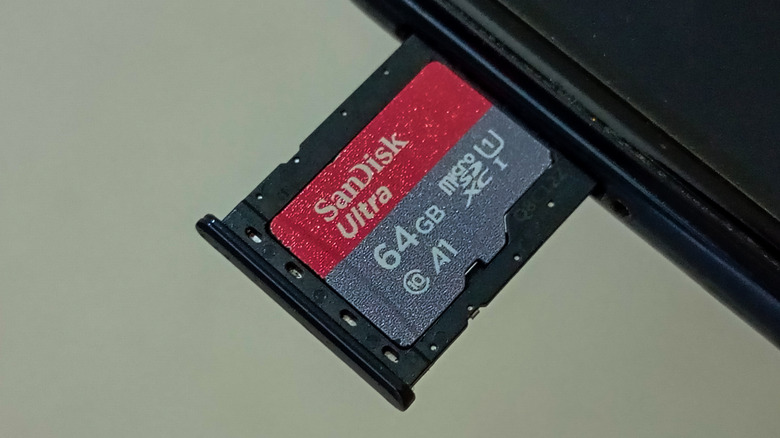
MicroSDs are a convenient and relatively affordable way to upgrade computer storage, especially on a laptop or handheld gaming PC like the Steam Deck OLED. Unfortunately, they suffer from similar issues to SSDs, with sellers trying to pass off too-good-to-be-true prices for big (and often impossible) storage capacities. Amazon is rife with them. All it takes is a cheap card and some software trickery to make your computer think a microSD is many times larger than it really is.
If you don't test a newly bought card, you'll only become aware of this when previously written data is corrupted or no longer accessible, or when speeds are suspiciously slow. Stick to big-name brands — SanDisk, Lexar, Samsung — and thoroughly reviewed products. Avoid everything else. Also go into buying a microSD card knowing that the highest-capacity microSD card on the market right now is 2TB. Anything over that is pure fiction. But as we've established, it's hard to know what you're getting with Amazon when the previous owner could have kept the microSD and returned something else entirely.
Also, microSD cards are flash memory. They are just as susceptible to wearing out as SSDs. Anecdotally speaking, I've noticed that my microSDs (and those of people I've talked to) seem to die a lot sooner than dedicated drives. I'd wager microSDs will also soon succumb to egregious pricing driven by AI's ravenous appetite for memory, so if you're paying quadruple, you should be quadruple sure it's a new card. Amazon probably can't even guarantee the actual product, as we've belabored again, and again, and again.
Be cautious with anything used
When you can't afford (or don't want to pay for) new products, buying used is a completely viable option. There's a whole bunch of computer parts you can buy used without losing sleep. Amazon might seem like the perfect place to buy used items with its "used like new" PC parts, but you can probably guess why this would be a bad idea.
Amazon's return process is clearly unreliable, for starters. You know that well if you've read this far. However, we'd also argue that it's a lot more difficult to know when there's an issue with a computer part than it is with most other consumer goods. Based on my own personal experience, you can have an item that looks flawless on the outside, only to plug it in and find out it's non-functional. When you've got CPUs and GPUs packing billions of transistors that are invisible to the naked human eye, it becomes really hard for you, the end consumer, to suss out problems and get a timely return.
Plus, the issues with a part can be complex. It can take hours of testing and diagnosis to figure out which part in your computer is malfunctioning, and more hours to figure out why it's malfunctioning. It's often hard to tell whether your GPU needs a trip to the repair shop or an overhand toss into the trash can. Not to put too fine a point on it, but Amazon's policies needlessly complicate this entire process. Buy elsewhere if you can, but if you patronize Jeff Bezos, steel yourself for some potential headaches and wasted time down the road.