

Here's Why Android Phones Are (Usually) Cheaper Than iPhones
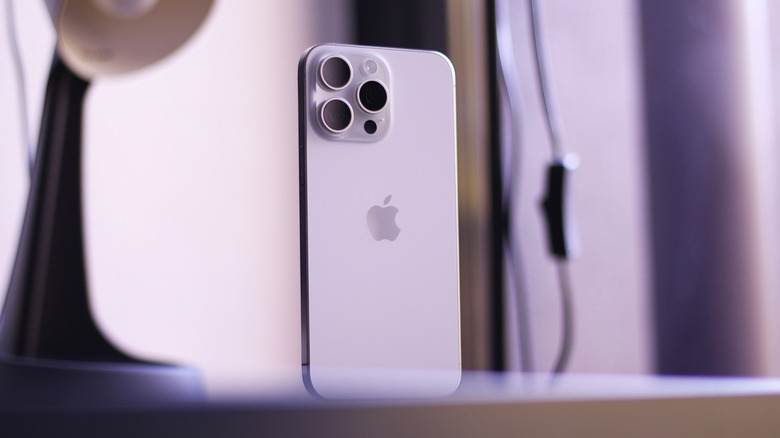
Apple launched the $999 iPhone X in 2017, and the company has been selling its Pro-series of iPhones around the same price since. A fully decked out iPhone 17 Pro Max with 2TB of storage will cost you a whopping $2,000. The regular model starts at $799, and we've explained why the base iPhone 17 is the best model in the lineup. If you want to go a notch below, the cheapest current-generation smartphone that Apple sells is the iPhone 16e, priced at $599.
If you've considered or even browsed for any Android options, you'll realize that prices often go much lower. For instance, the Samsung Galaxy A17 retails at $199, features the same amount of storage as the iPhone 16e, and somehow sports a faster 90Hz AMOLED display. Of course, the iPhone has it beat in aspects like camera and performance, but the Galaxy A17 is still a lot of phone for not a lot of money.
Samsung is not the only Android manufacturer that sells budget-friendly phones. You have options from Motorola, Google, OnePlus, and Nothing. This is the first big reason why Android phones are often cheaper than iPhones — there's simply a lot more competition at every price point. Since the Android market is so vast, manufacturers are free to throw in wild designs or cut creative corners — all in the hope of undercutting the competition and becoming the best-seller. Apple, on the other hand, is the only manufacturer that makes iOS devices.
Android caters to a wider market
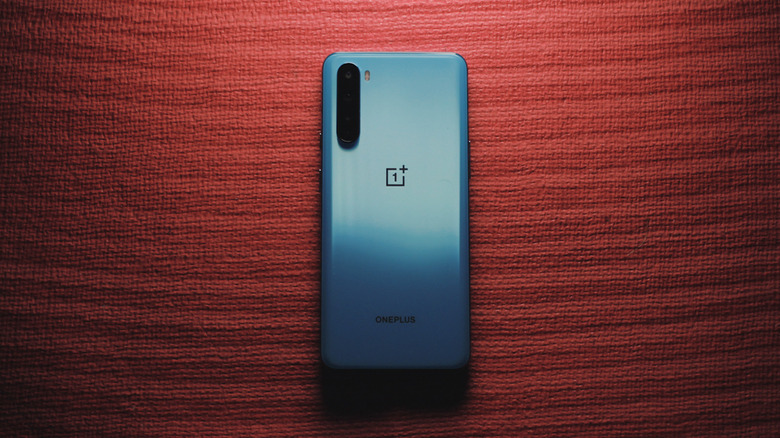
iPhones are immensely popular in the United States, but zooming out a bit, it's staggering how Android holds over 70% of the worldwide mobile operating system market share, according to Statcounter. In budget-conscious markets, brands like Xiaomi, OnePlus, and Realme are known to offer mid- to high-end smartphones at competitive prices. Expectations have risen so much over the years that even an entry-level Android phone now ships with an OLED display, a big battery, and a respectable processor.
Obviously, this wouldn't be possible without brands compromising and yielding smaller profit margins, but that's only half the story. Android manufacturers are more open-minded to cutting corners with build quality, camera hardware, and software support. On the very low end, it's not uncommon to see Android phones with plastic bodies and uninspiring designs. Although many phones boast a triple camera setup, one of the sensors is often a low-quality 2MP depth sensor that's rarely ever useful, and seemingly only there so companies can say "three cameras".
Apple relies on its own silicon design and operating system, while Android manufacturers mostly turn to Qualcomm or Mediatek to do the heavy lifting. Android, being an open-source platform, means that manufacturers don't have to start from scratch or worry about their own app store and services. Apple, on the other hand, has its own ecosystem of apps and services like iCloud and AirDrop that need maintenance and updates. iPhones are also supported with software updates for a longer period compared to the average Android phone.
Apple can afford to charge its customers a premium
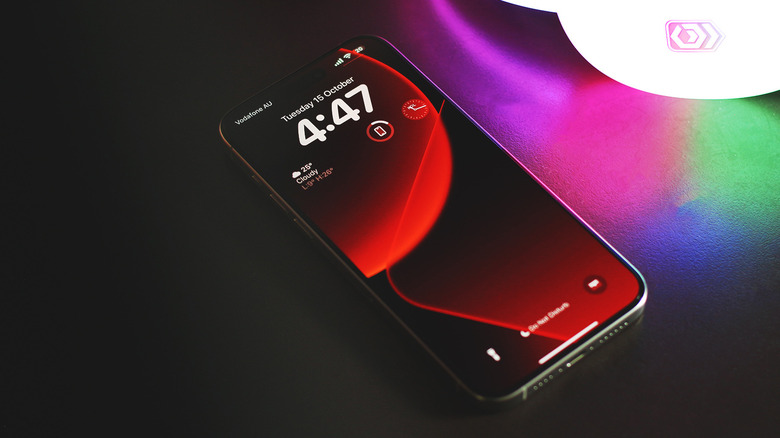
A bill of materials analysis carried out by 9to5Mac suggested that it cost Apple somewhere around $454 to $474 to manufacture an iPhone 14 Pro Max — the same phone that was sold for $1,100. Of course, there are additional costs a manufacturer has to bear other than just the BoM, but that's quite an impressive profit margin regardless. By contrast, many Android phones have much tighter profit margins.
Manufacturing costs and choice of materials aside, another reason why iPhones cost so much is simply because Apple has that market pull. By locking its users in with features like iMessage for years, people who already own an iPhone wouldn't mind paying for a new one even if there are cheaper Android phones with similar feature sets available.
Samsung is often also perceived as a premium brand, and the pricing of its flagship phones is quite similar to that of iPhones. The difference, however, is that Samsung doesn't shy away from selling phones at every price point, even if it means risking its premium image when someone's first impression of the brand comes from a $200 budget phone.
Apple also doesn't cut corners as aggressively as many competitively priced Android phones do. For instance, any modern iPhone you buy, you're sure to receive an exceptional camera experience. Even the cheapest model, the iPhone 16e, comes with an Ingress Protection rating. This is often an omission found on many Android phones.