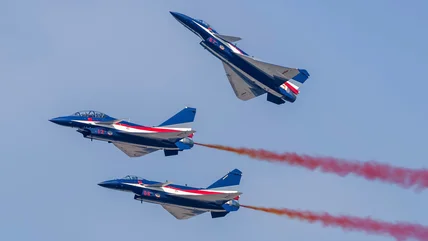
No, China Doesn't Have More Fighter Jets Than The US (But It's Close)
The United States still has a bigger fighter jet fleet than China. But China aims to achieve full military modernization by 2027, and it's catching up.
Read More

The United States still has a bigger fighter jet fleet than China. But China aims to achieve full military modernization by 2027, and it's catching up.
Read More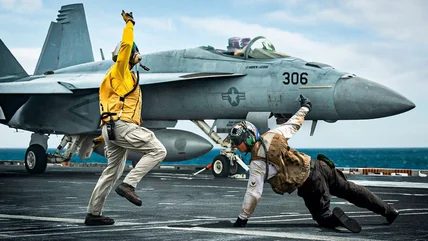
On the deck of an aircraft carrier, hand signals are the norm and one of them involves the signal to launch planes off the deck. Here's why they're used.
Read More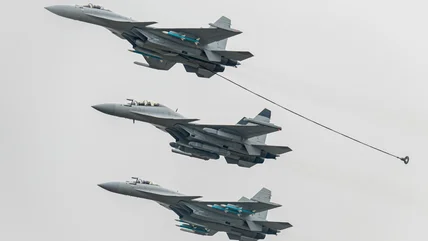
The Chinese Navy is fielding a modified Su-33 Flanker known as the J-15T. This gives it a new carrier-based fighter jet with reach, teeth, and reliability
Read More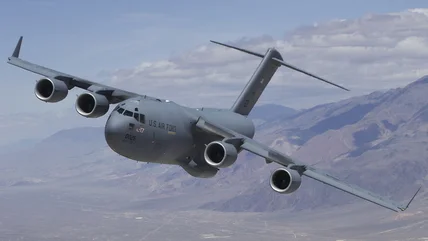
'Agility' may not be the adjective typically synonymous with cargo planes, but the C-17 Globemaster III is the sole exception thanks to its tech.
Read More
The B-52 Stratofortress is an impressive bomber in the United States Air Force that has a rather unique feature; a giant parachute. Imagine cleaning that thing.
Read More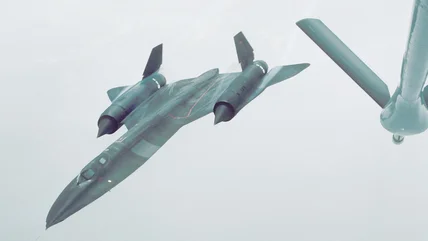
Kelly Johnson led the Lockheed Skunk Works crew that designed and built the SR-71 Blackbird in a windowless Burbank Airport, California building.
Read More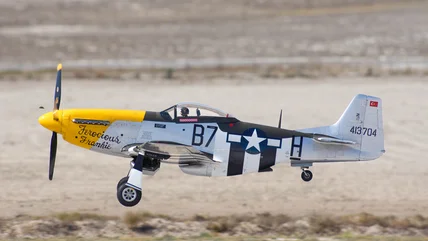
You're probably familiar with the P-38 Lightning, the P-47 Thunderbolt, and the P-51 Mustang, but do you know what the P in their names stands for?
Read More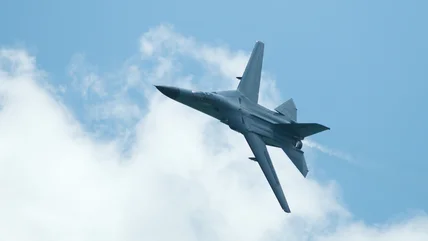
You may not have heard of the U.S. military's F-111, but the F-14 Tomcat that followed is a legendary aircraft.
Read More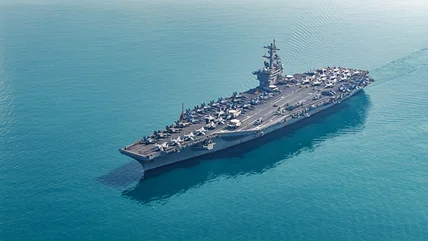
The faster air travels over the top of a wing, the lower the pressure above it. Facing into the wind creates higher velocity air, and therefore lift.
Read More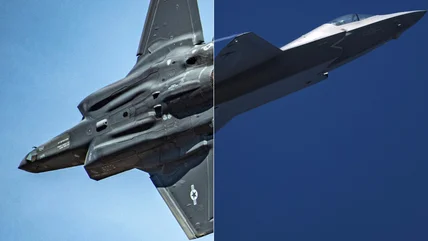
The F-35 and J-35 are the U.S. and China's respective latest and greatest fighter jets, but how do they stack up against each other?
Read More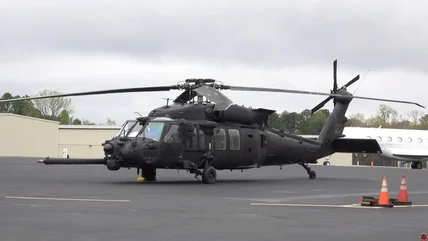
The United States military has a variety of helicopters, including the Black Hawk and Chinook. In 2011, a couple were sent into Pakistan on a secret mission.
Read More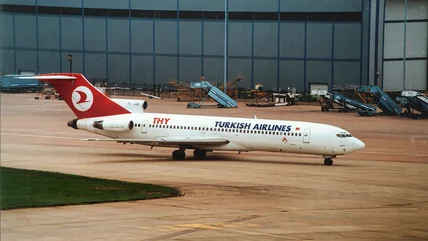
The Boeing 727 and its trijet design were pretty cool on paper, but it wasn't exactly a hit. It's also one of the most difficult commercial planes to fly.
Read More
Discover how long the American F-35, considered one of the world's most advanced fighter jets, can stay airborne while carrying out missions.
Read More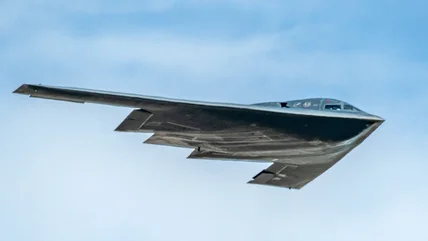
The B-2 is iconic in appearance but how long can one stay aloft? Does altitude play a part in the answer and what's normal cruising speed for the bomber.
Read More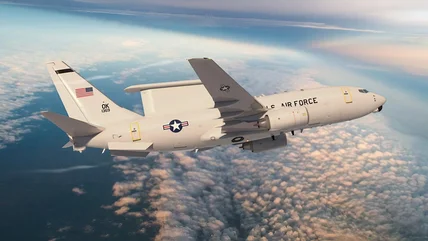
With the E-7 Wedgetail plans in the rearview, what is the US military opting for instead? And why didn't Boeing's initial plans come to fruition?
Read More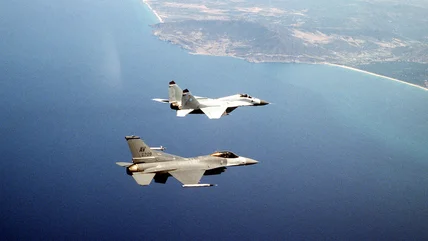
The MiG-29 Fulcrum and F-16 Fighting Falcon are two iconic fighter jets that have been around since the Cold War, but does one have an edge over the other?
Read More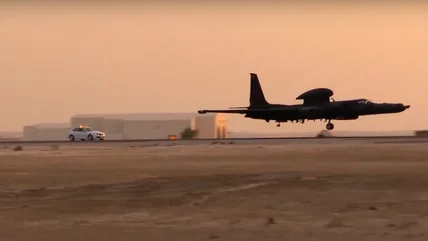
The famous U-2 reconnaissance plane flies higher and farther than its contemporaries, but it's difficult to land and needs a little support when it comes home.
Read More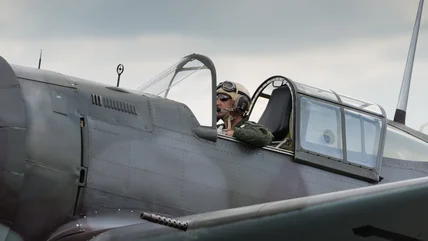
You've probably noticed WW2 pilots flying with open canopies in old war films. There's a surprising reason behind it, and it wasn't for show but survival.
Read More
Many of us probably take jet engines for granted, but the game-changing technology wouldn't have existed without some pioneering inventors. Here's the story.
Read More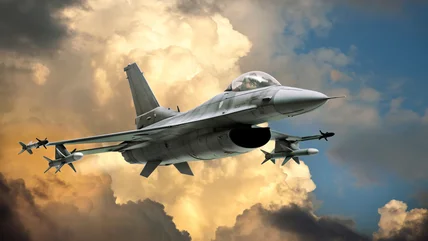
The F-16 Falcon fighter aircraft has a single-piece frameless bubble canopy. What makes this canopy special, and why is it good news for pilots?
Read More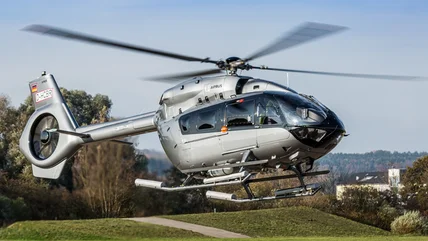
The H145 helicopter by Airbus accomplishes a variety of tasks in public and private sectors, even though it's not the fastest helicopter in the air.
Read More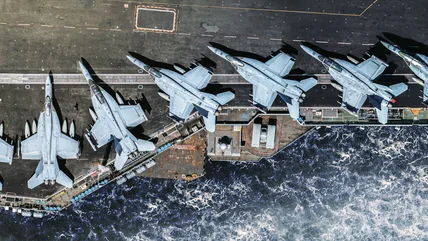
The dynamics of landing a plane on an aircraft carrier are both complicated and simple at the same time. Here's everything we know about it.
Read More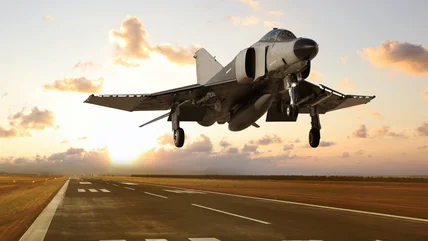
When a fighter jet travels at supersonic speeds, it emits a sonic boom due to the shock wave it produces. The strongest one ever was recorded in 1967.
Read More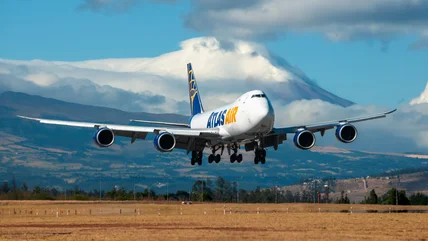
The Boeing 747 was once the iconic plane of long-haul flights and international trips. However, over time, many factors led to the aircraft's eventual decline.
Read More
It's physically impossible for many planes to land on a helipad due to their size. However, one plane made history by landing on a helicopter pad in Dubai.
Read More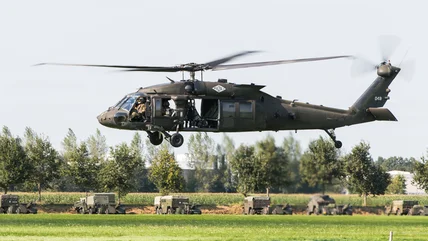
The number of blades on a helicopter help determine how stable it is and how much it can lift. Overall, it's a key measure of a chopper's performance.
Read More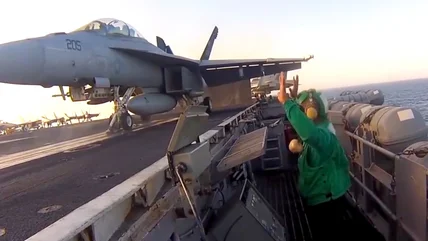
The F/A-18 Hornet has served the U.S. Navy since the '80s, but at one point, it was quite the faulty little fighter jet that required an extensive modification.
Read More